Milan Attractions with Photos 2026: What to do in Milan Italy?

Milan Attractions..

Milan Attractions Top 40: What to do in Milan Italy 2026?

Christoph Erkens
Christoph Erkens

The highlights of Milan’s sights at a glance:

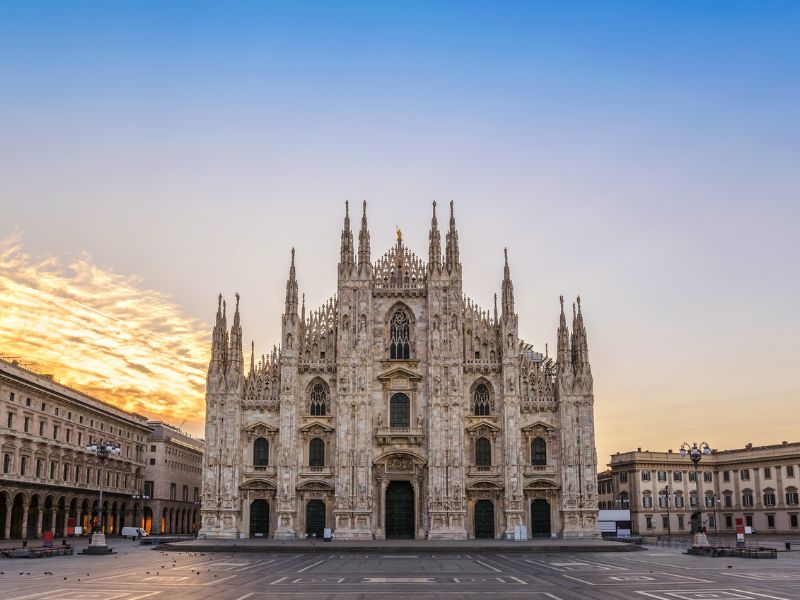
  • Milan Cathedral is impressive, but even more spectacular when viewed from the rooftop terrace.
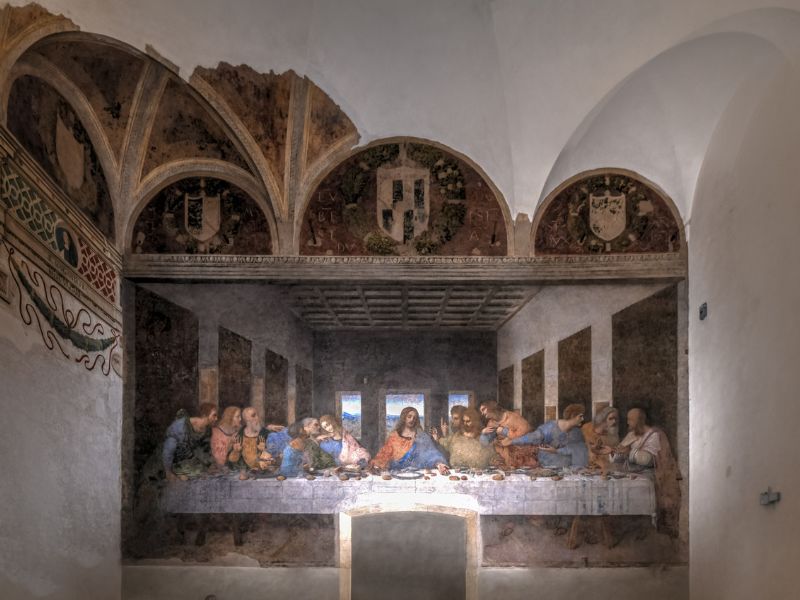
  • Leonardo’s “The Last Supper” is one of the world’s most famous works of art—but be sure to book at least two months in advance.
  • Milan is more than just art and architecture: the Navigli district, rooftop bars, and street art bring the city to life.
  • Our favorite: a stroll through Brera, followed by a visit to the Navigli district at sunset.
     
The Milan Cathedral is the city's landmark

Top 3 Tips for Milan:

In this article, we’ll show you the top 40 must-see attractions in Milan that we think you shouldn’t miss during your stay in Italy. We’ve summarized the 3 most popular activities for you below:
The Milan Cathedral is the city's landmark
1. Milan Cathedral: Architectural masterpiece with a view
Marvel at the cathedral’s magnificent Gothic façade and enjoy a breathtaking panoramic view of the city from the rooftop terraces.
Gemälde Das letzte Abendmahl von Da Vinci
2. The Last Supper by Leonardo da Vinci
 
Experience one of the world’s most famous works of art at the Church of Santa Maria delle Grazie. Early booking is recommended!
 
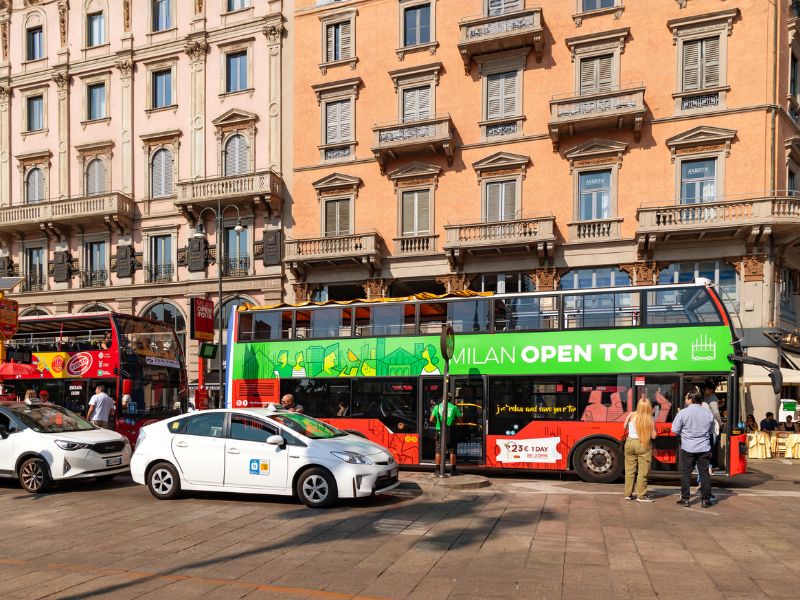
Mailand Hop on Hop off
3. Hop-on, hop-off tours: Explore Milan in comfort
 
Discover the city’s highlights at your own pace. These flexible hop-on, hop-off bus tours of Milan offer a great overview and let you get off at the most interesting sights to explore them in more detail.


Wondering where to stay in Milan? Feel free to check out our list of the best hotels in Milan!

The 40 most popular attractions in Milan: What to do in Milan Italy?

01

Milan Cathedral

The Milan Cathedral is the city's landmark

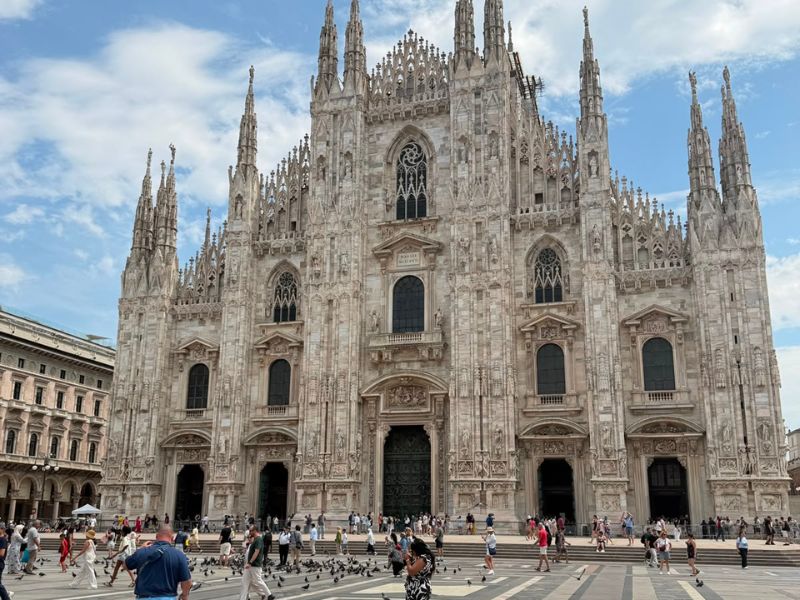
Milan Cathedral is the top attraction. This gigantic Gothic cathedral soars 108 meters into the sky and is considered one of the most beautiful buildings in the world. Construction began in 1386 and took over 500 years—amazing when you consider how painstakingly everything was carved by hand. 

Since the 14th century, this architectural masterpiece has grown steadily, resulting in an astonishing variety of architectural styles. From Gothic to Baroque to Neoclassicism—every era has left its mark. Particularly interesting: Napoleon himself had himself crowned King of Italy here in 1805 and added Neo-Gothic elements to the cathedral.

Before you explore the magnificent interior, take a moment to let the impressive façade sink in. The spacious square in front of the cathedral offers the perfect opportunity to admire the sheer size and beauty of this structure.

Our insider tip: Don’t miss a visit to the rooftop terrace! From here, you can not only view the delicate spires up close but also enjoy a breathtaking panoramic view of the bustling city. It’s an unforgettable experience that offers a whole new perspective on Milan.

02

Leonardo da Vinci's "The Last Supper"

Gemälde Das letzte Abendmahl von Da Vinci

An absolute must for art lovers is a visit to the Dominican monastery of Santa Maria delle Grazie. Here, at the Museo del Cenacolo Vinciano, you can admire one of the world’s most famous murals: Leonardo da Vinci’s “The Last Supper.”

This is one of the world’s most famous works of art and hangs in the Church of Santa Maria delle Grazie. Leonardo worked on it for four years, from 1495 to 1498—the psychological depth of the depiction remains timeless to this day. Important: Only 15 people are allowed inside at a time. Book your time slot online at least 2–3 months in advance, or you’ll be out of luck.

03

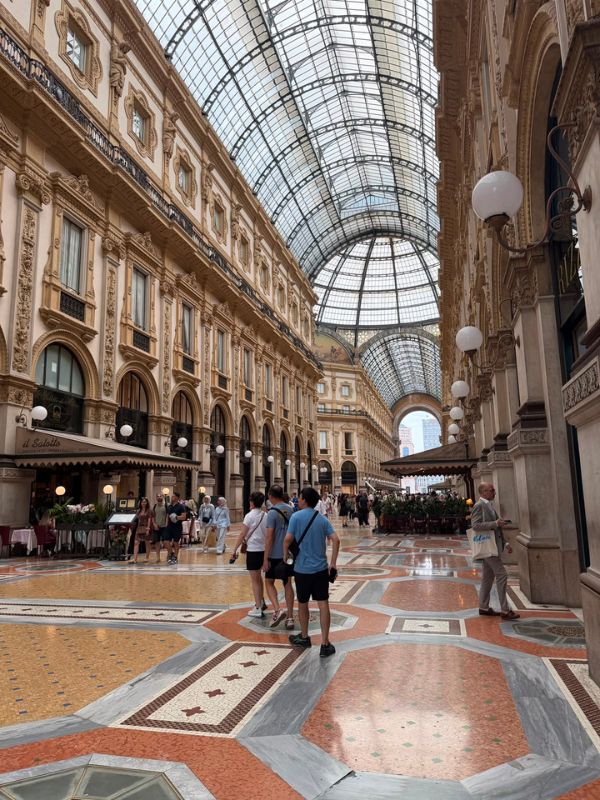
Galleria Vittorio Emanuele II

Schönes Einkaufszentrum Galleria Vitoria Emanuelle ii
In Milan, one of the world’s leading fashion capitals, shopping is an absolute highlight. This covered shopping arcade opened in 1877 and is one of the oldest shopping centers in the world. The roof design, featuring glass domes, is spectacular—airy and elegant. Here you’ll find all the major luxury brands under one roof. Even if you don’t plan to shop, it’s worth taking a stroll. Fun Fact: There’s a tradition where you step on a mosaic with your heel at a specific spot to bring yourself good luck.

04

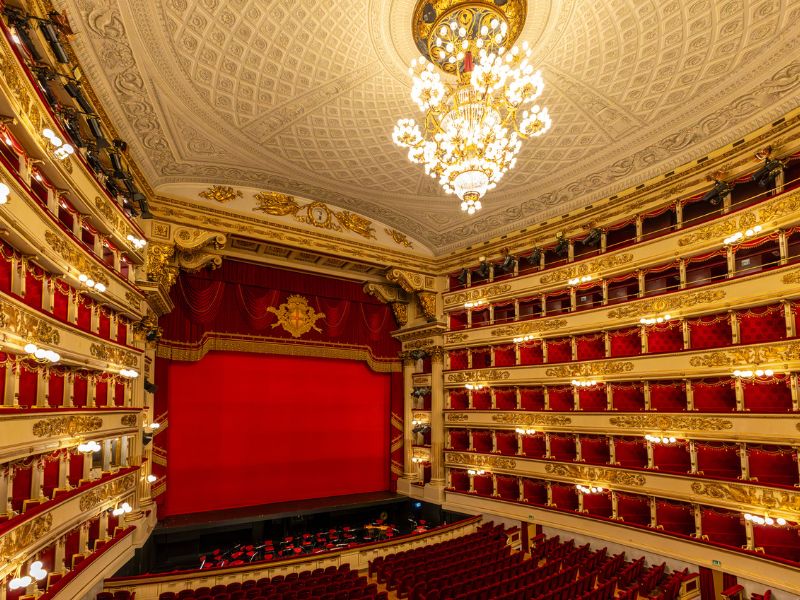
La Scala Opera House in Milan

Berühmtes Opernhaus Scala in Mailand

La Scala, or the Milan Scala for short, is one of the most renowned opera houses in the world. Since 1778, it has been delighting music lovers in its neoclassical building, which seats over 2,000 spectators.

The annual program features top-tier operas, ballets, and concerts with international stars. A highlight is the traditional season opening on December 7, the feast day of the city’s patron saint, Sant’Ambrogio.

In addition to performances, La Scala offers guided tours and houses the Museo Teatrale alla Scala.

Interesting fact: La Scala’s acoustics are considered among the best in the world. This is attributed, among other things, to the special wooden construction and the horseshoe shape of the auditorium, which optimally reflect the sound.
La Scala in Milan Tour Tickets

Our tip:
Save money with the Milan City Pass!

Mailand City Pass

05

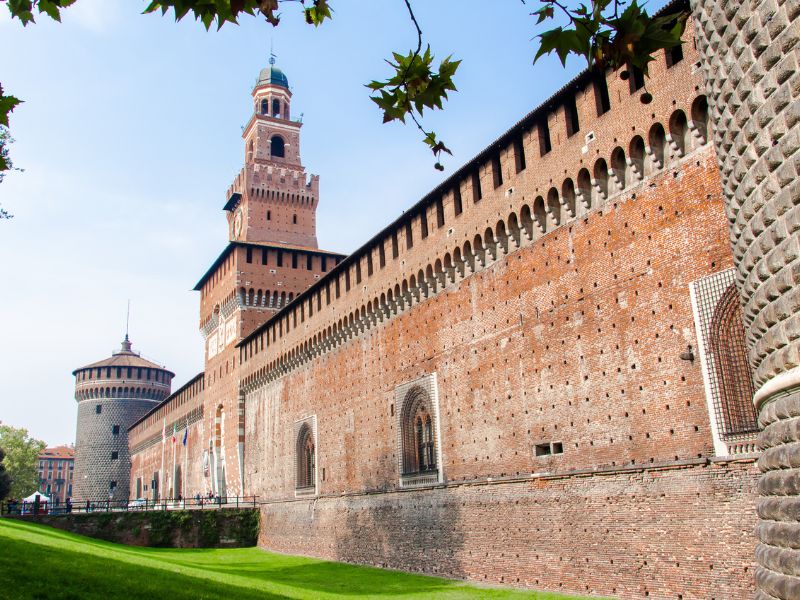
Castello Sforzesco

Mailänder Schloss zählt zu den Sehenswürdigkeiten
The Castello Sforzesco, built in 1450 by Francesco Sforza: The castle looks like a real fortress with walls and towers and was built in 1450 as the residence of the Dukes of Milan. Today it houses several museums. The absolute highlight: Michelangelo’s Pietà Rondanini, his last unfinished sculpture. You can also see Leonardo’s ceiling frescoes from 1498. After your visit, treat yourself to a stroll through the adjacent Parco Sempione.

06

The Brera district

Fußgängerzone im schönen Brera Viertel von Mailand
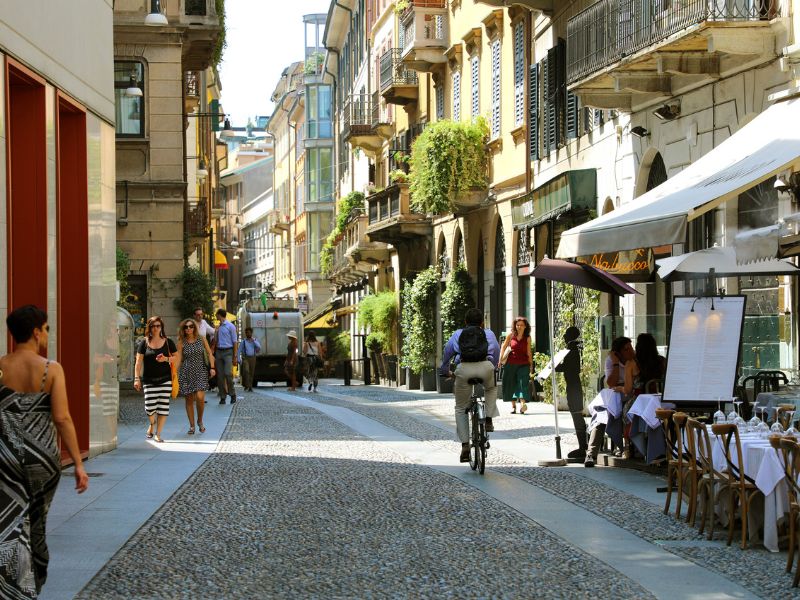
The Brera district, often referred to as Milan’s “artists’ quarter,” will enchant you with its bohemian charm and atmosphere. This is the artistic soul of Milan. The streets here are narrow, winding, and full of charm—with small art galleries, antique shops, and vintage stores everywhere. The people here are more laid-back than in the rest of the city. In the evenings, authentic Milanese life comes alive here with aperitivo scenes in small bars and trattorias.

07

Pinacoteca di Brera

Pinacoteca di Brera
Pinacoteca di Brera
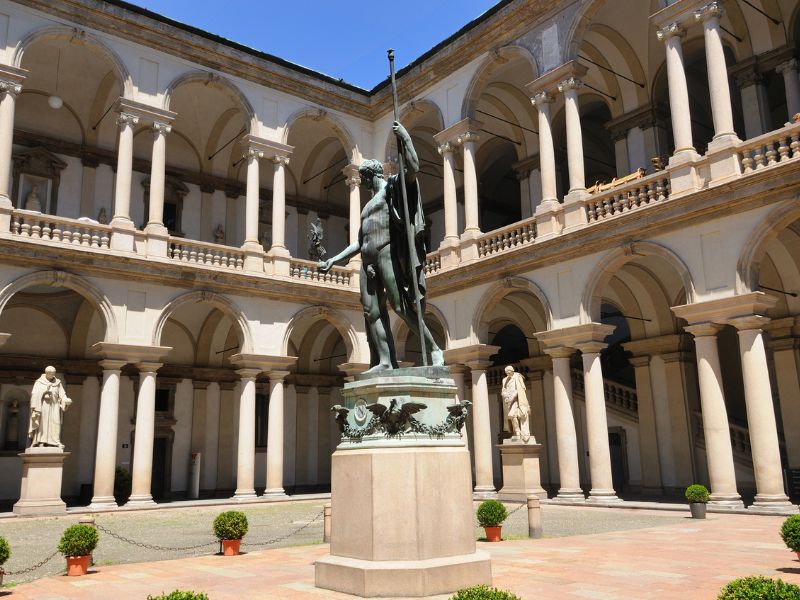
The Pinacoteca di Brera: Milan’s most important art museum is located in the heart of the Brera district. It houses masterpieces by Raphael, Bellini, and Caravaggio. The highlight is Raphael’s “The Marriage of the Virgin” from 1504. If you’re an art lover, plan on spending 2–3 hours here. The adjacent botanical garden is also a lovely place to relax.

08

The Navigli district

Navigli Kanäle
Navigli Kanäle
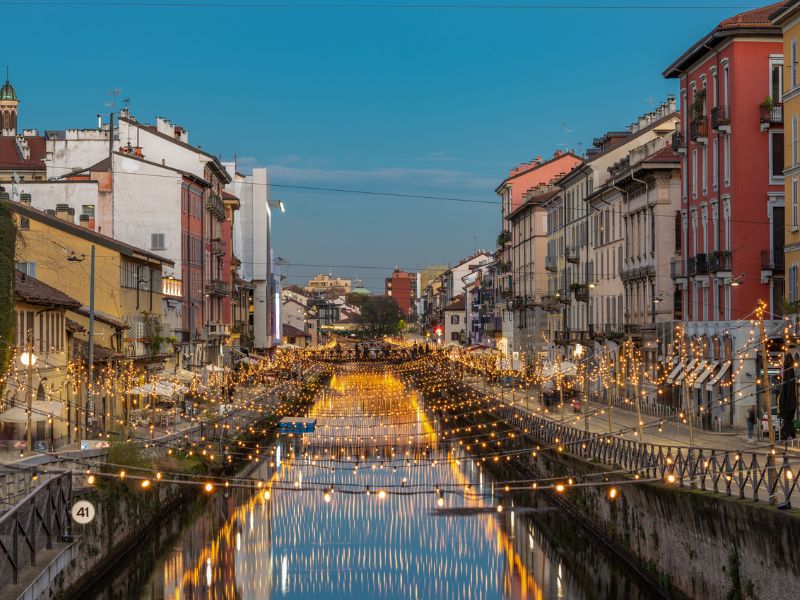
The Navigli district is probably the best place to experience Milan in the evening. The canals here are genuine historic waterways, and Leonardo da Vinci even helped design them. During the day, they’re picturesque and peaceful, but in the evening, the whole neighborhood transforms into a hotspot for aperitivo and nightlife. Take a seat on a waterfront terrace, sip a cocktail, and enjoy the reflections of the old buildings.

09

Boat tour on the Navigli canals

Touristenboot auf dem Kanal in Mailand
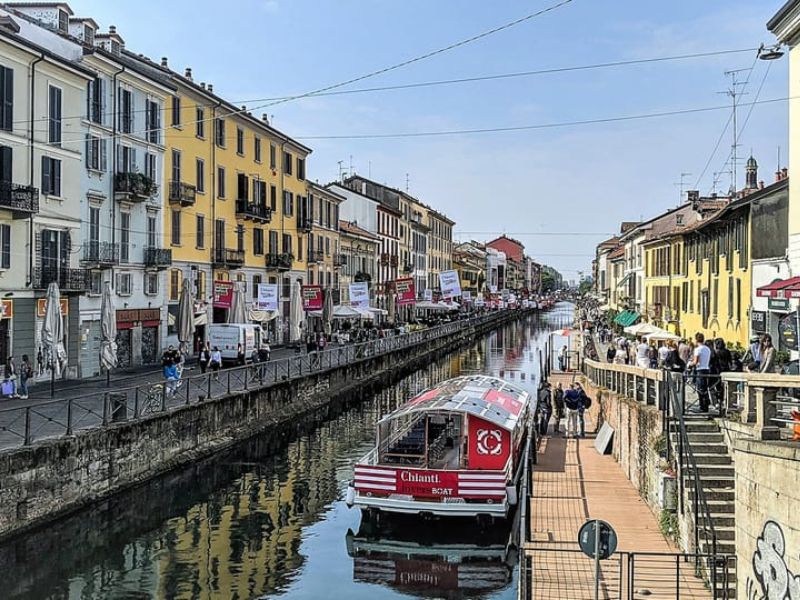
A boat tour on the Navigli canals offers a completely different perspective on the city. You’ll glide under ancient bridges and hear fascinating stories from your guide about Leonardo’s 15th-century lock systems. The tour usually starts at the Darsena, the old inland port, which was renovated in 2015. The tour is especially romantic in the evening.

10

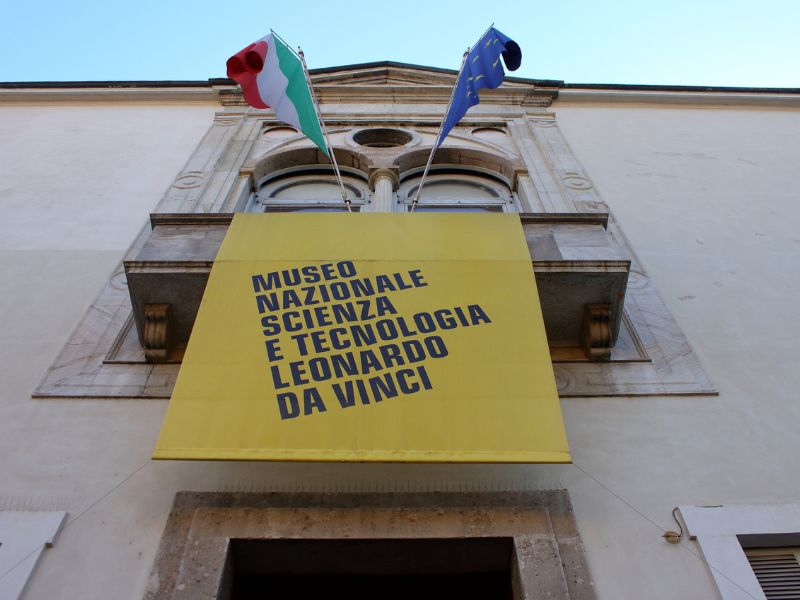
Leonardo da Vinci Museum

Leonardo da Vinci Museum in Mailand
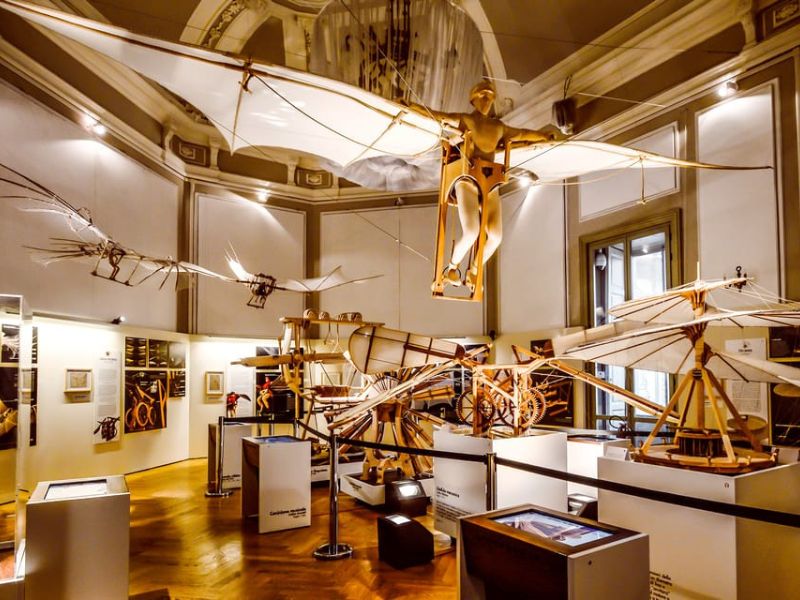
Next up is No. 10 on our list of the most beautiful sights in Milan: The Leonardo da Vinci Museum, also known as the Leonardo da Vinci National Museum of Science and Technology, pays tribute to the Renaissance polymath. Spanning over 2,300 square meters, the museum displays more than 200 replicas of machines and models based on Leonardo’s drawings. You can interactively immerse yourself in the genius’s world and see his famous flying machine. The museum is located in a former 16th-century Benedictine monastery, which lends the visit a special atmosphere.

11

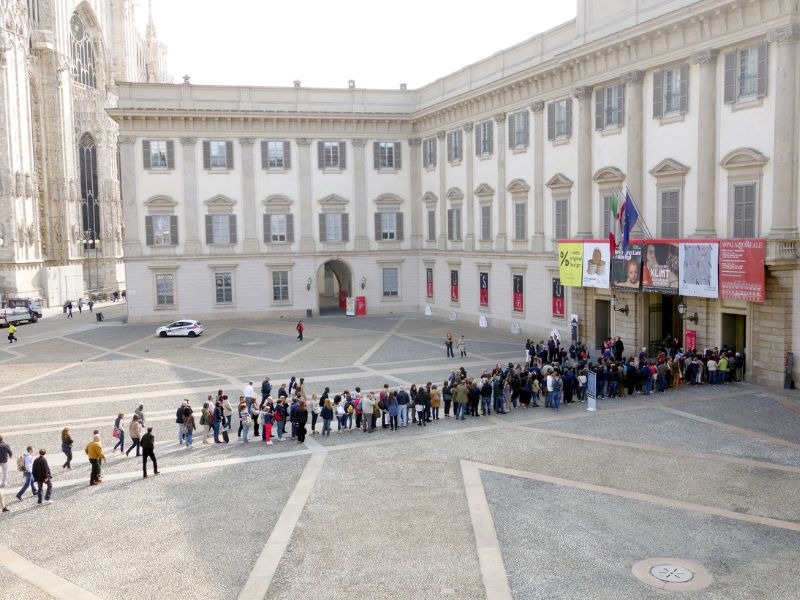
Royal Palace

Besucher stehen vor dem Königlichen Palast Palazzo Reale in Mailand an
The Royal Palace (Palazzo Reale) in Milan: This imposing building, located to the right of the cathedral, looks back on a thousand years of history. It was once the political heart of the city and the residence of the Austrian Habsburgs. Today, it houses a renowned art exhibition center. The reconstructed throne room gives you a sense of its former splendor.

12

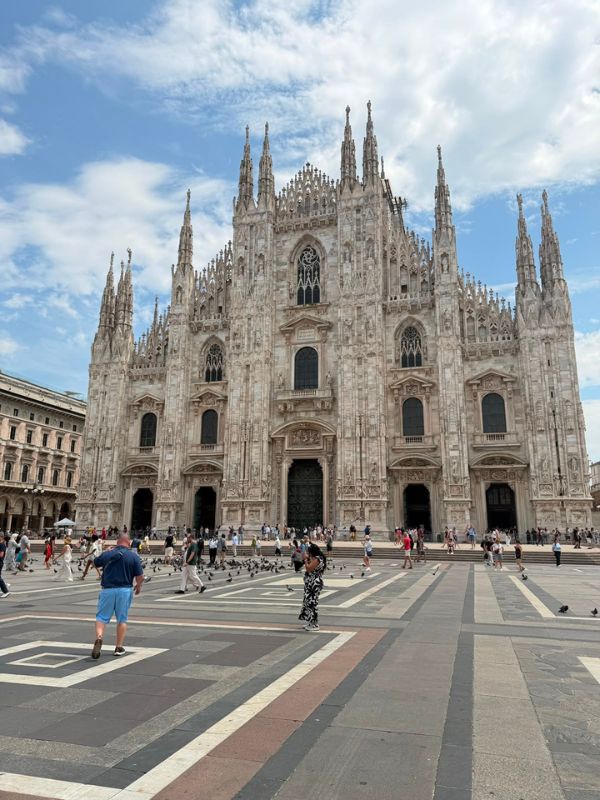
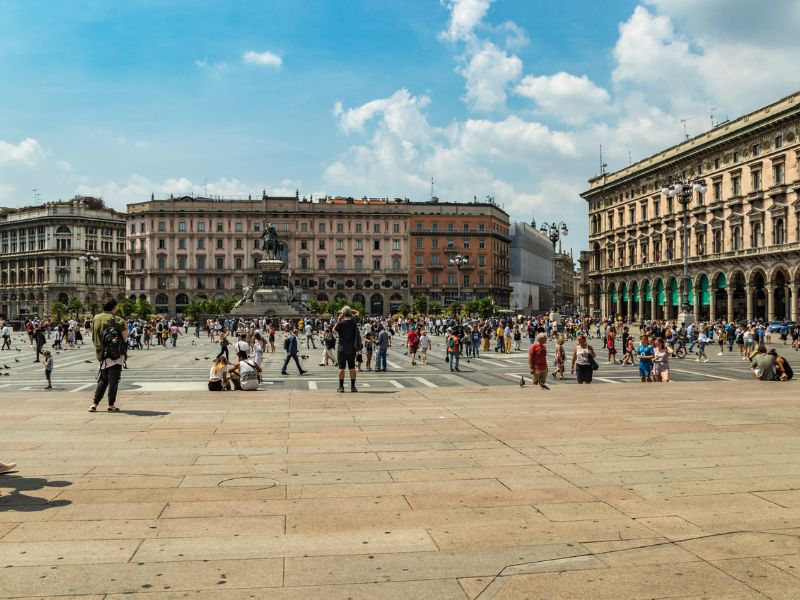
The Piazza del Duomo

VIele Menschen auf dem Domvorplatz in Mailand
The Piazza del Duomo is the beating heart of Milan and one of Italy’s most famous squares. Covering approximately 17,000 square meters, it provides a breathtaking backdrop for the majestic cathedral. Here, you can watch the hustle and bustle, admire the architecture, or simply relax in one of the surrounding cafés. The square is especially magical during the Christmas season, with a Christmas tree and festive lights.

13

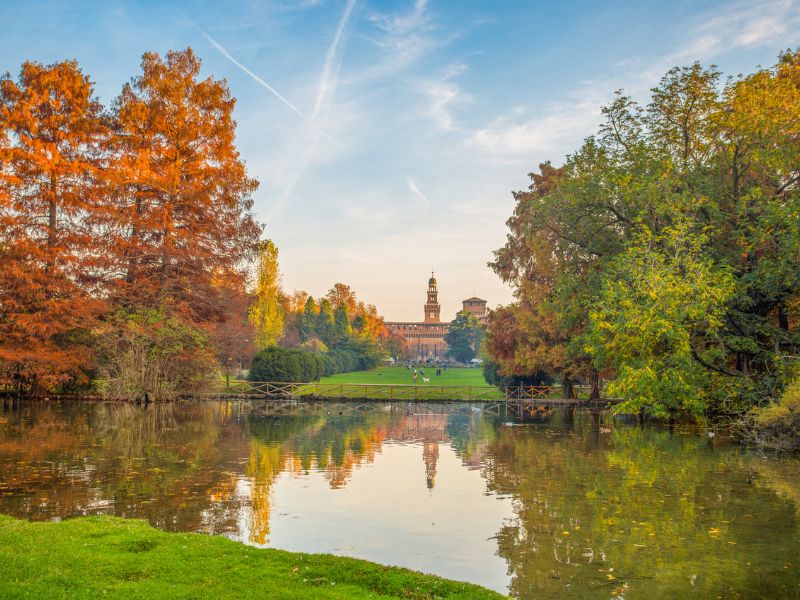
Parco Sempione

Parco Sempione Park in Mailand
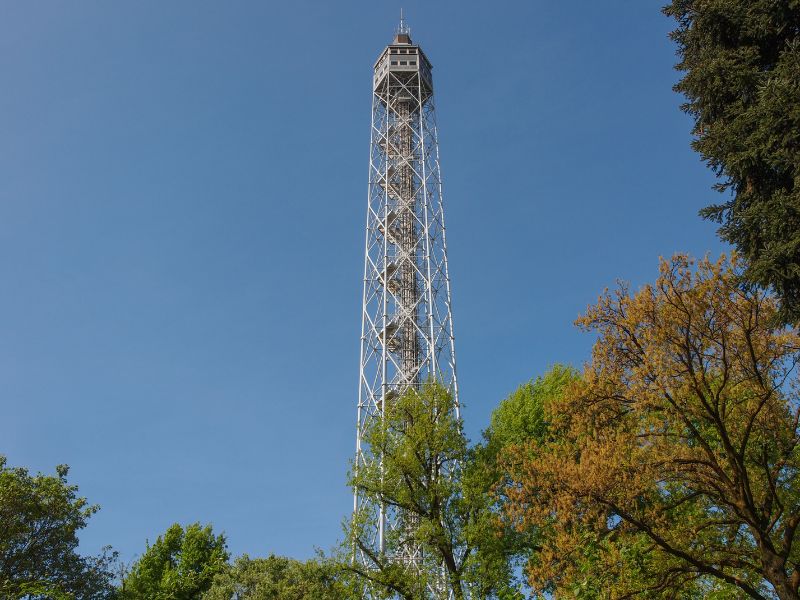
Parco Sempione is Milan’s green lung—a 47-hectare English-style landscape park featuring expansive lawns, shady groves of trees, and picturesque lakes. The park is ideal for relaxing, picnicking, or playing sports. The Torre Branca observation tower (108.6 meters high) offers breathtaking views of the city. The 19th-century Ponte delle Sirenette is also worth seeing.

14

Tower Torre Branca

Torre Branca Aussichtsturm
The Torre Branca, a slender steel tower in the heart of Parco Sempione, was designed in 1933 by the renowned architect Gio Ponti. At 108.6 meters tall, it is the second-highest accessible point in the city after the Duomo. An elevator takes you to the observation deck in 75 seconds. From here, you have a 360-degree panoramic view of Milan, and on a clear day, you can see as far as the Alps.

15

Brera Botanical Garden

Pflanzen im Botanischen Garten im Brera Viertel Mailand
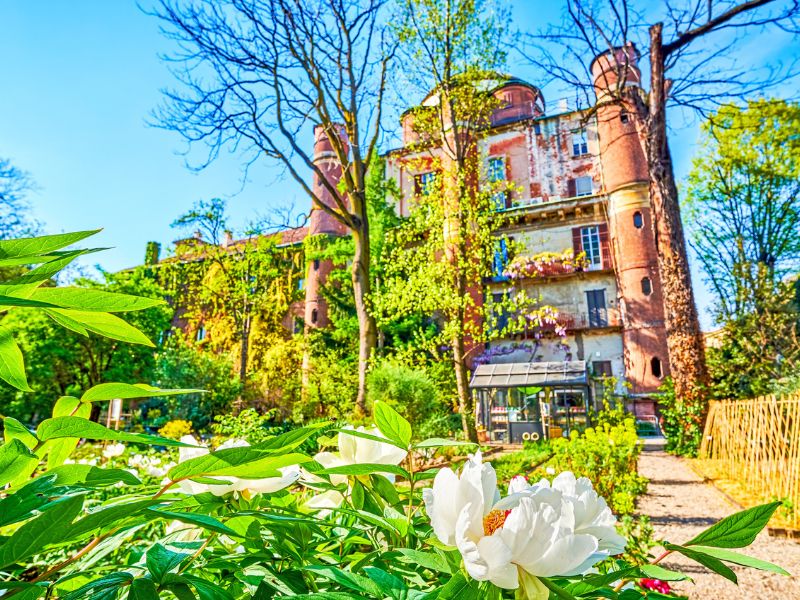
Amid the hustle and bustle of the Italian metropolis, there is another oasis of calm where you can take a breather surrounded by nature: the Brera Botanical Garden (Orto Botanico di Brera) is a hidden gem in the heart of the Brera district. Founded in 1774 by Empress Maria Theresa, the garden originally served the medical faculty. Particularly impressive are the two 300-year-old ginkgo trees. The garden is home to a variety of native and exotic plants, as well as a 19th-century greenhouse housing tropical species.

16

Leonardo3

Leonardo3 Museum in Mailand
Leonardo3 – The World of Leonardo is an innovative and interactive exhibition that offers a fascinating insight into Leonardo’s genius. Over 200 interactive machines and replicas showcase his inventions. A highlight is the digital restoration of “The Last Supper.” You can decipher Leonardo’s codes and even try out his musical instruments—learning by doing at its best.

17

San Siro Stadium

San Siro Stadion in Mailand
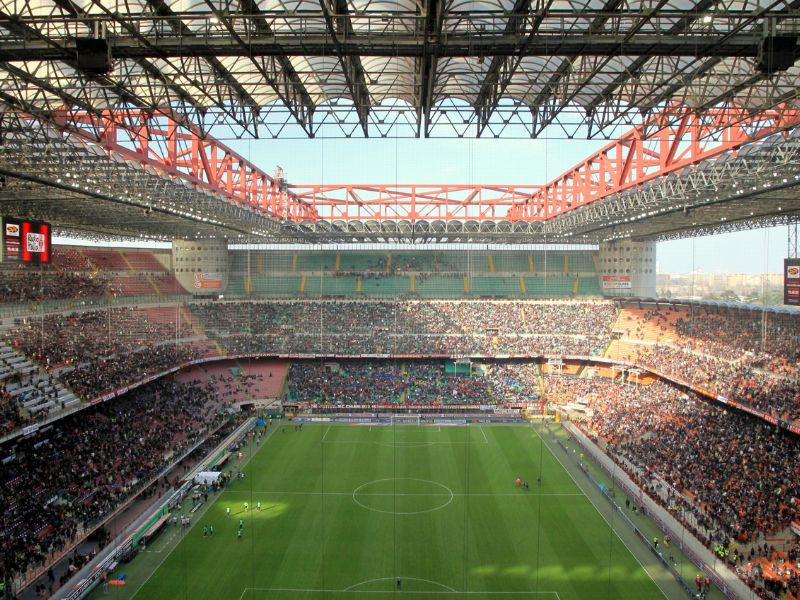
San Siro Stadium, officially known as the Giuseppe Meazza Stadium, is a mecca for soccer fans and one of the most famous stadiums in the world. AC Milan and Inter Milan play here. Built between 1925 and 1926, it was the tallest building in Europe when it opened. With a guided tour, you can visit the locker rooms and experience the field from the players’ perspective.


18

Milan Fashion Week

Fashion Week in Mailand
Milan Fashion Week is one of the most glamorous events on the international fashion calendar and transforms the city into a vibrant fashion capital twice a year—in February/March and September/October. Over 170 shows and presentations fill the tightly packed schedule. Renowned brands such as Gucci, Prada, and Versace showcase their collections. Even if you’re not attending the main shows, the atmosphere throughout the city is electrifying.

19

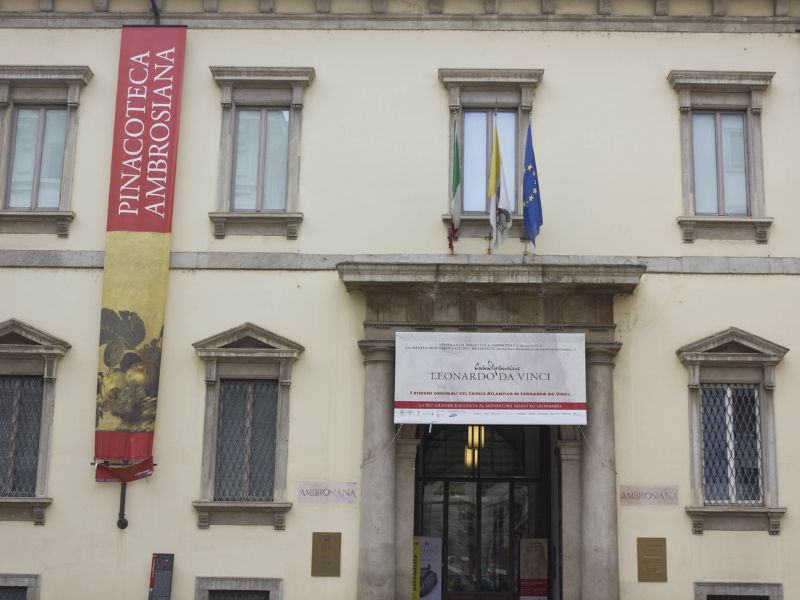
Pinacoteca Ambrosiana

Pinacoteca Ambrosiana in Mailand
The Pinacoteca Ambrosiana is a gem among Milan’s art museums, founded in 1618. The museum houses numerous masterpieces, including Caravaggio’s “Basket of Fruit” and Titian’s “Adoration of the Magi.” The absolute highlight: Leonardo’s Codex Atlanticus, a collection of over 1,000 drawings and notes by the universal genius. The Biblioteca Ambrosiana, with over a million books, is part of the complex.

20

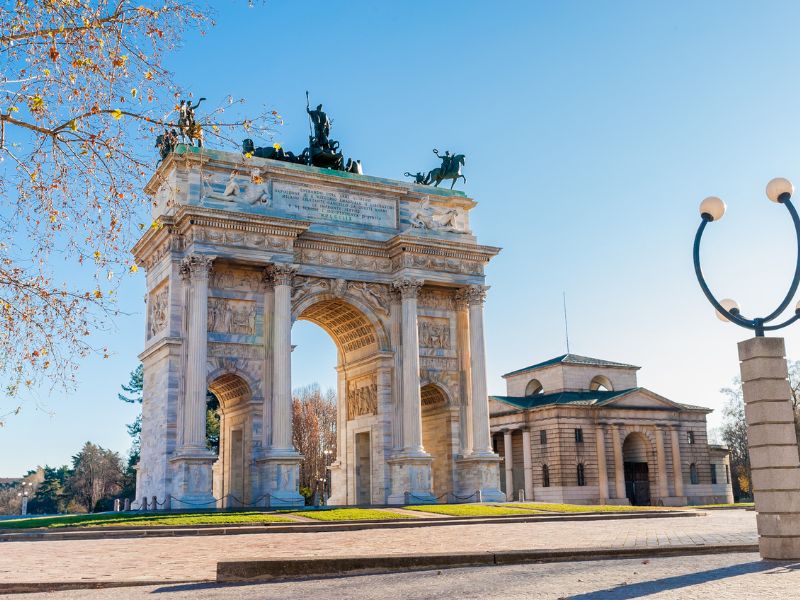
Arco della Pace (Arch of Peace)

Triumphbogen
Triumphbogen
The Arco della Pace (Arch of Peace), often simply referred to as the Milanese Triumphal Arch, is an imposing neoclassical monument at the northern end of Parco Sempione. Construction began in 1807 under Napoleon as the Porta Sempione, was later repurposed to commemorate the peace treaty, and was completed in 1838. Standing 25 meters tall, it is richly adorned with sculptures. It faces the Simplon Pass in the Alps—an important trade route. The Arco is a popular meeting place for locals and tourists.

21

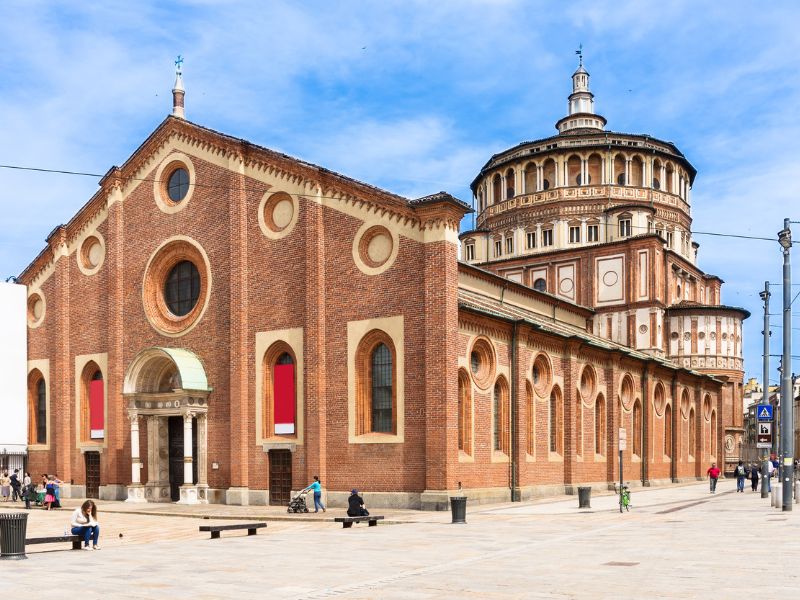
Santa Maria delle Grazie

Kirche Santa Maria delle Grazie in Milan
The Church of Santa Maria delle Grazie is not only an architectural gem of the Renaissance but also home to Leonardo’s world-famous fresco. Built between 1466 and 1490, the church captivates visitors with its harmonious blend of Gothic and Renaissance elements. The apse, designed by Bramante, with its distinctive dome, is spectacular. The refectory, featuring Leonardo’s “The Last Supper,” is, of course, the highlight.

22

Museo del Duomo

Das Dommuseum Museo Del Duomo ist einen Besuch wert
The Museo del Duomo (Cathedral Museum), located in the Palazzo Reale, traces the 700-year history of Milan Cathedral. Spanning 2,000 square meters, it features over 200 marble statues, paintings, stained-glass windows, and architectural models. A highlight is the original Madonnina, the gilded statue of the Virgin Mary that once adorned the spire of the cathedral. The detailed wooden models document the entire construction process.

23

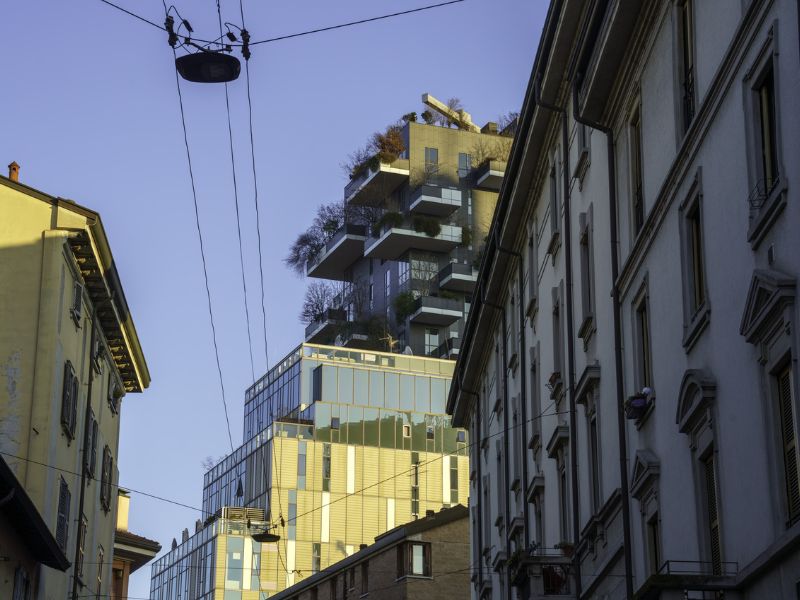
Bosco Verticale

Bosco Verticale begrünte Hochhäuser
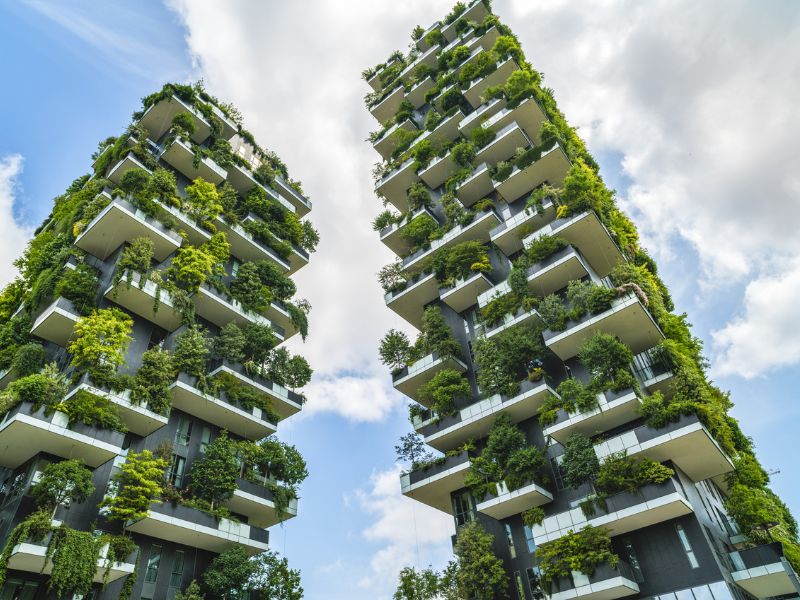
The Bosco Verticale (Vertical Forest) showcases revolutionary architecture: two green residential towers in the Porta Nuova district featuring a total of 900 trees, 5,000 shrubs, and 11,000 groundcover plants. Designed by architect Stefano Boeri, the project was completed in 2014. This green facade absorbs CO2, produces oxygen, and creates a microclimate that saves energy. It is one of the most innovative skyscrapers in the world.

24

Leonardo’s Vineyard

Leonardos Weinberg
Leonardos Weinberg
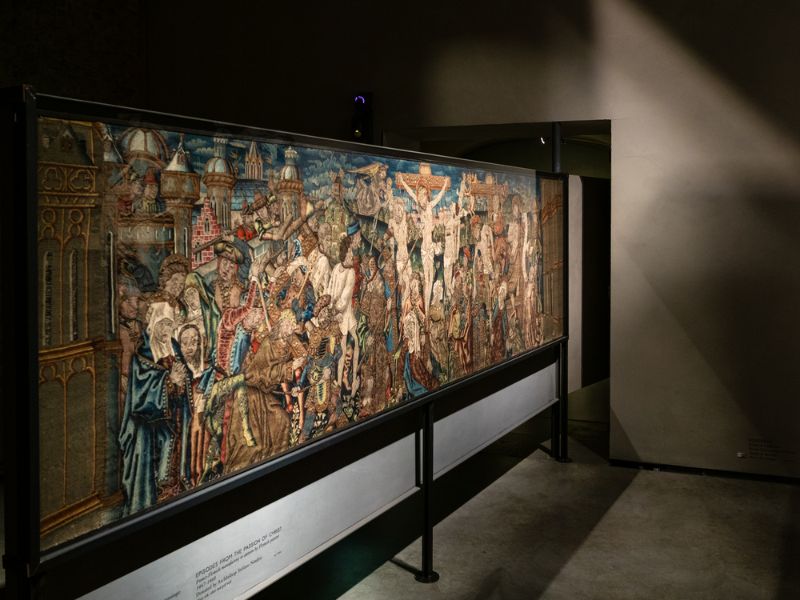
Leonardo’s Vineyard (Vigna di Leonardo) is an often-overlooked gem in the heart of the city. Leonardo received this vineyard as a gift from Duke Ludovico Sforza in 1498. After 500 years of neglect, the vineyard was reconstructed in 2015 based on DNA analyses of the original grape varieties. You can visit the Casa degli Atellani (a magnificent Renaissance townhouse) and see the reconstructed vineyard. A multimedia installation brings Leonardo’s visions to life.

25

Porta Nuova district

Porta Nuova Viertel
Porta Nuova Viertel
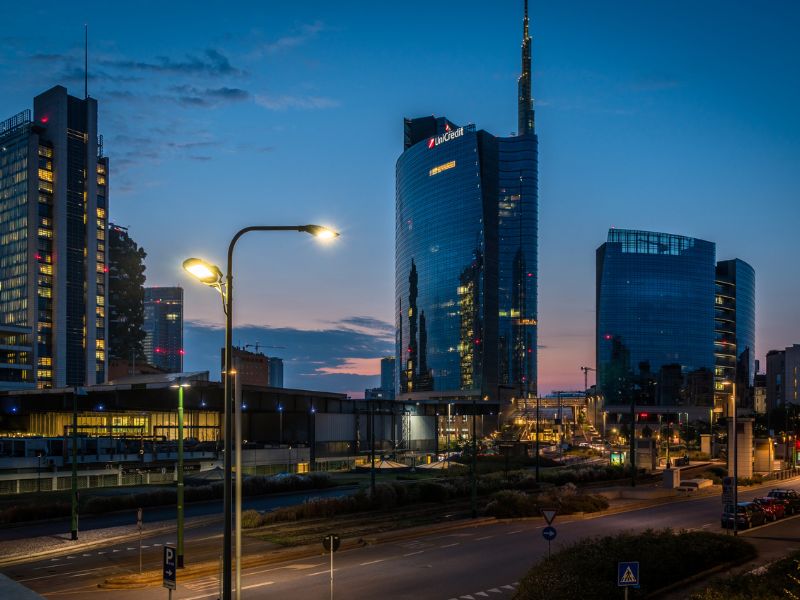
The Porta Nuova district boasts Milan’s most breathtaking skyline and serves as a symbol of the city’s modern, forward-looking spirit. This ambitious urban development project transformed an industrial area into an ultra-modern district. The Unicredit Tower (231 meters, Italy’s tallest building), the Biblioteca degli Alberi (a 10-hectare public park), and the curved Fondazione Feltrinelli are architectural highlights. The futuristic Piazza Gae Aulenti, with its water features, is impressive.

26

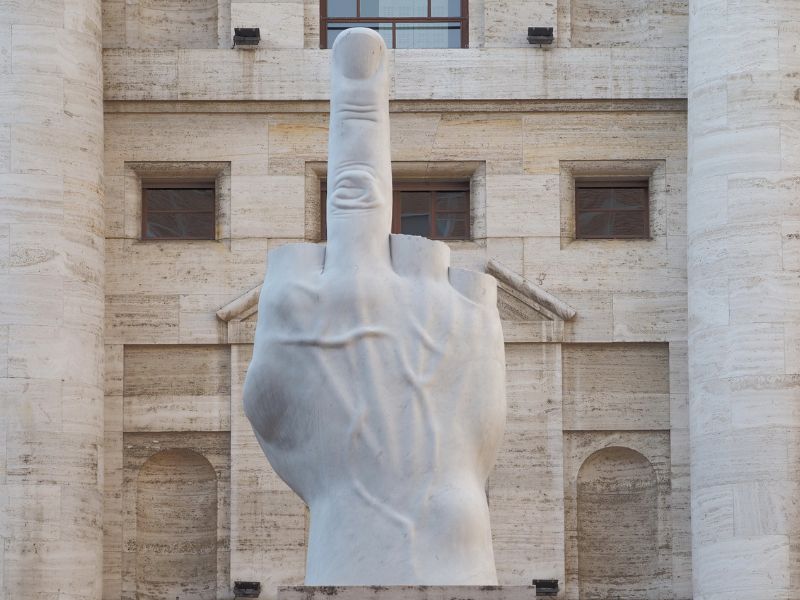
L.O.V.E. sculpture

L.O.V.E. Skulptur
L.O.V.E. Skulptur
The L.O.V.E. sculpture, often referred to as “Il Dito” (The Finger), is a controversial work of art by Maurizio Cattelan that has stood in Piazza degli Affari, directly in front of the Milan Stock Exchange, since 2010. The 11-meter-tall marble sculpture depicts a hand with all fingers “cut off” except for the middle finger. The title stands for “Libertà, Odio, Vendetta, Eternità.” Its interpretation remains open to interpretation, but it continues to be a topic of conversation.

27

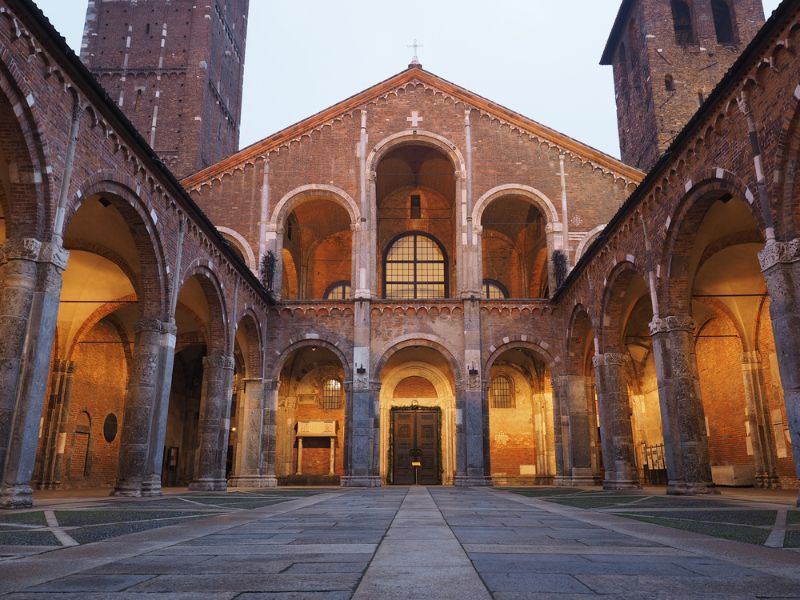
Basilica di Sant'Ambrogio

Basilica of Sant Ambrogio
The Basilica of Sant’Ambrogio is one of Milan’s oldest and most significant religious buildings, named after the city’s patron saint. Founded in 379 AD, the church was rebuilt in the Romanesque style during the 11th and 12th centuries. Its distinctive façade, featuring two brick towers of different heights, is a hallmark of Lombard Romanesque architecture. Inside, the 9th-century golden altar and the crypt containing the remains of Saint Ambrose are particularly impressive.

28

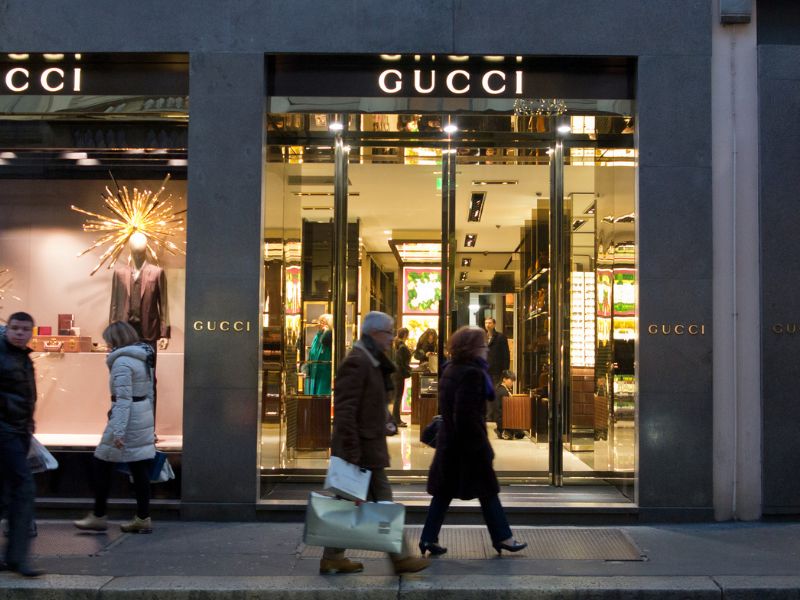
Quadrilatero della Moda

Quadrilatero-dOro Modeviertel in Mailand
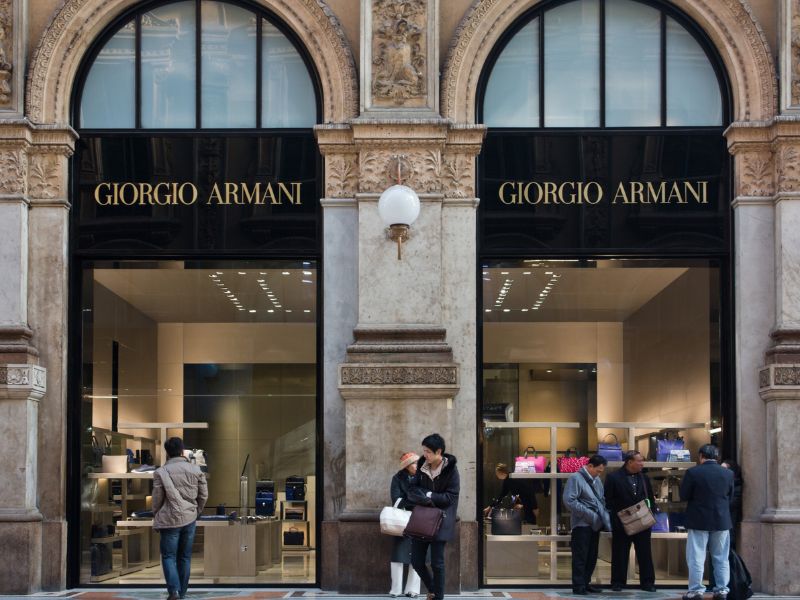
The Quadrilatero della Moda, also known as the Golden Triangle, is Milan’s exclusive fashion district, bounded by Via Montenapoleone, Via della Spiga, Via Manzoni, and Corso Venezia. This is where all the major luxury brands are located: Gucci, Prada, Versace, Armani, and many more. Via Montenapoleone is often described as one of the most luxurious shopping streets in the world. During Fashion Week, the district becomes the stage for the international fashion world. Even if you don’t plan to shop, a stroll through the area is well worth it.

29

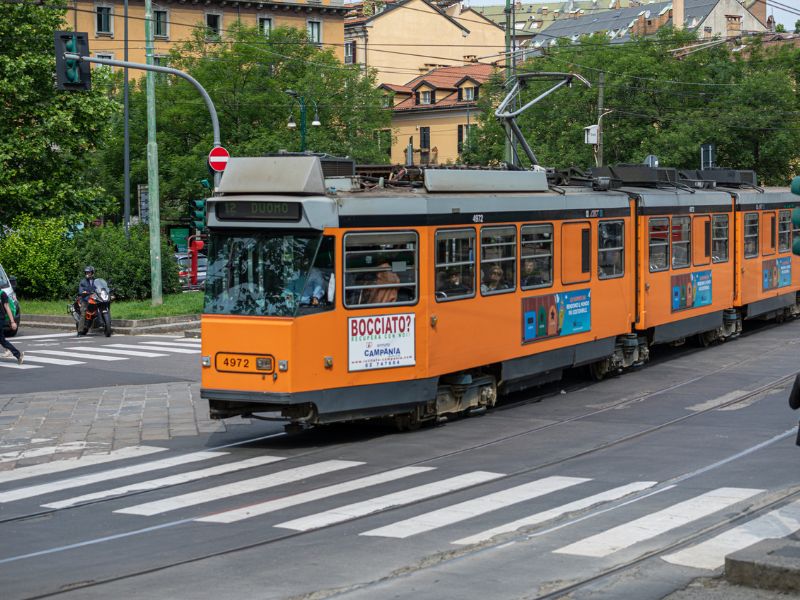
Historic Tram Line 1

Alte Mailänder Straßenbahn Linie 1
A journey through time in Milan! This iconic line has been in operation since 1881 and is one of the oldest active tram lines in Europe. The restored cars from the 1920s and 1930s feature wooden benches, brass fittings, and nostalgic lighting. The route takes you from Castello Sforzesco, past Teatro alla Scala and the Duomo, to the Arco della Pace. A relaxing 30-minute ride with great views of the city.

30

Day trips from Milan with Lago Maggiore

Der Comer See liegt in der Umgebung von Mailand
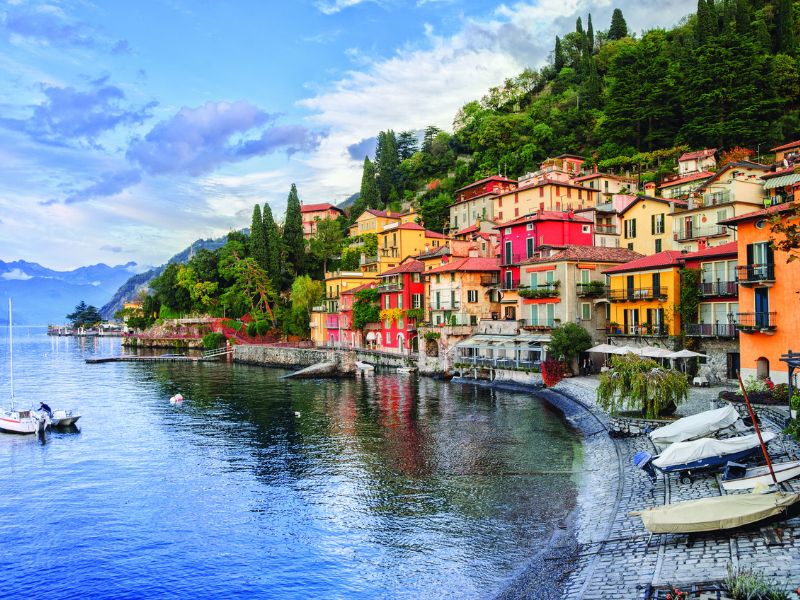
There are some great day trips from Milan. Lake Maggiore is Italy’s second-largest lake, home to the beautiful Borromean Islands. Bergamo is just 50 km away—its medieval upper town, with its Venetian walls, is a real gem. Lake Como is famous for its breathtaking scenery and luxury villas—Como and the picturesque town of Bellagio are absolute highlights.


31

Cimitero Monumentale

Großer Friedhof in Mailand
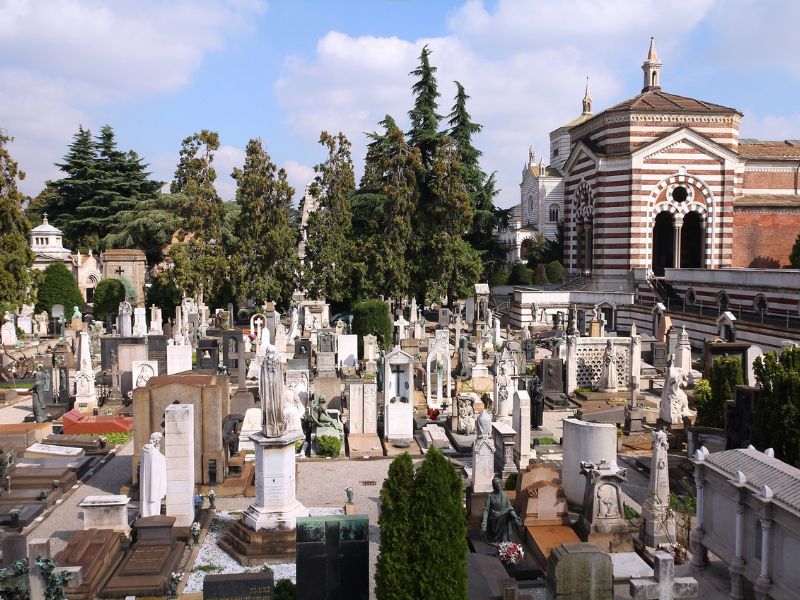
The Cimitero Monumentale is much more than just a cemetery—it’s an impressive open-air museum. Covering 250,000 square meters, it is one of Italy’s largest cemeteries. As you stroll through the avenues, you’ll be overwhelmed by the splendor of the tombs—ranging from classical statues to Art Nouveau and modern sculptures. The family mausoleums often look like small palaces. The graves of famous Milanese figures are particularly worth seeing.

32

Viertel Chinatown

Chinatown in Mailand
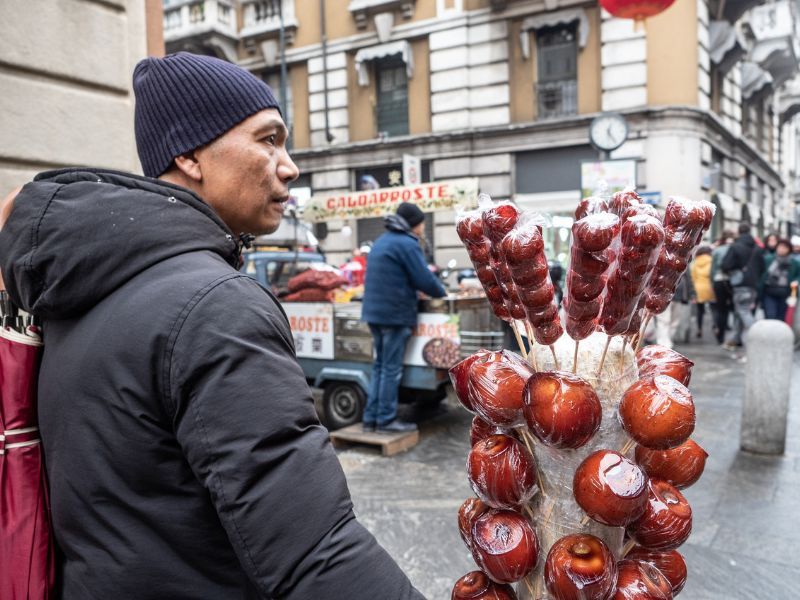
Milan’s Chinatown, centered around Via Paolo Sarpi, is Italy’s oldest and largest Chinese neighborhood, with a history dating back to the late 19th century. The main street, Via Paolo Sarpi, was converted into an elegant pedestrian zone in 2011. Numerous Chinese shops, restaurants, and supermarkets line the street. The annual Chinese New Year parade, featuring dragon dances and fireworks, is one of the largest of its kind in Europe.
33

Museo Armani

Armani Store in Mailänder City in Italien
The Museo Armani, also known as Armani/Silos, pays tribute to the 40-year career of legendary fashion designer Giorgio Armani and is a must-see for any fashion and design enthusiast visiting Milan.
Opened in 2015, the museum is housed in a former Nestlé grain silo dating from the 1950s. Spanning over 4,500 square meters, it showcases more than 600 outfits and 200 accessories from Armani’s collections. The thematically organized exhibition illustrates how Armani has developed certain aesthetic styles over the decades.

34

Church of San Bernardino alle Ossa

San- Bernardinoalle Ossa-Kirche in Mailand
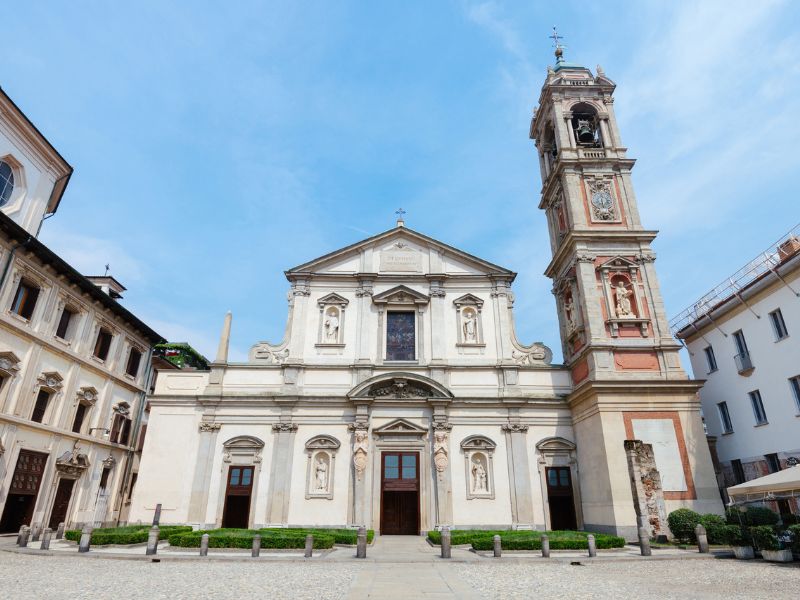
The Church of San Bernardino alle Ossa is one of Milan’s most unusual attractions: a church featuring an impressive ossuary. Unassuming from the outside, it surprises visitors inside with an octagonal chapel completely decorated with human skulls and bones, artfully arranged into crosses and rosettes. Built in the 17th century as an ossuary for a hospital. Despite the macabre theme, the room exudes a strange beauty.

35

San Maurizio al Monastero Maggiore

Innen in der verzierten Kirche Sans Maurizio monastero maggiore
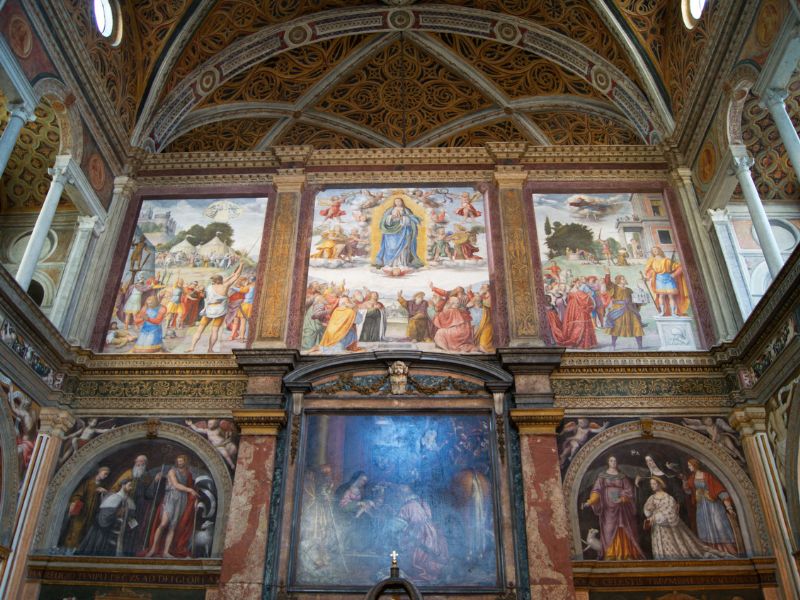
San Maurizio al Monastero Maggiore, often referred to as the “Sistine Chapel of Milan,” is a hidden gem of Renaissance art. Built in the 16th century, the church impresses with its interior entirely covered in frescoes. The frescoes by Bernardino Luini depict biblical scenes with astonishing attention to detail. The 16th-century organ is one of the oldest still in working order in Italy. A fascinating glimpse into the Lombard Renaissance.

36

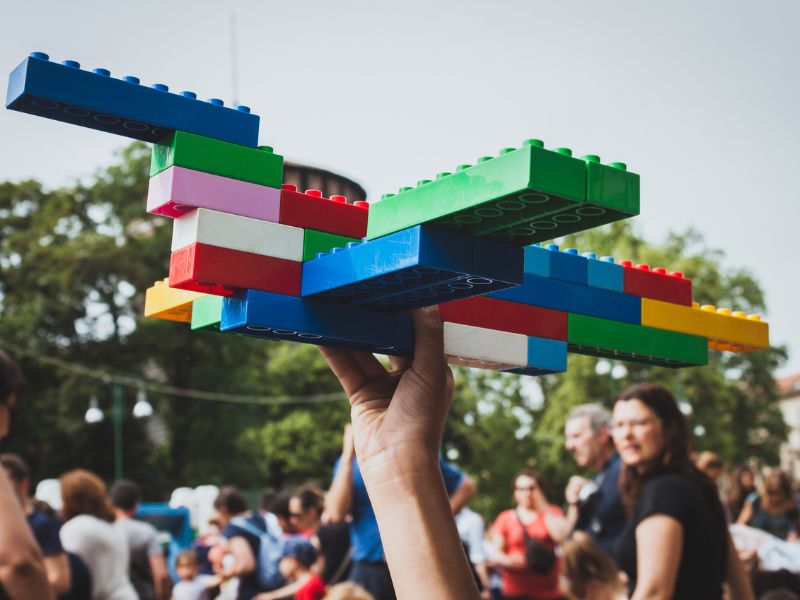
Museo dei Bambini

Aus Lego gebautes Objekt mit Familien im Hintergrund in Mailand
The Museo dei Bambini (MUBA) is Milan’s fascinating children’s museum, perfectly combining learning and fun. It offers interactive exhibits and workshops for children ages 2–11. The focus is on “learning by doing”—children can experiment and unleash their creativity. The exhibits change regularly and cover topics such as nature, science, and art. There are also special programs for school groups and family workshops.

37

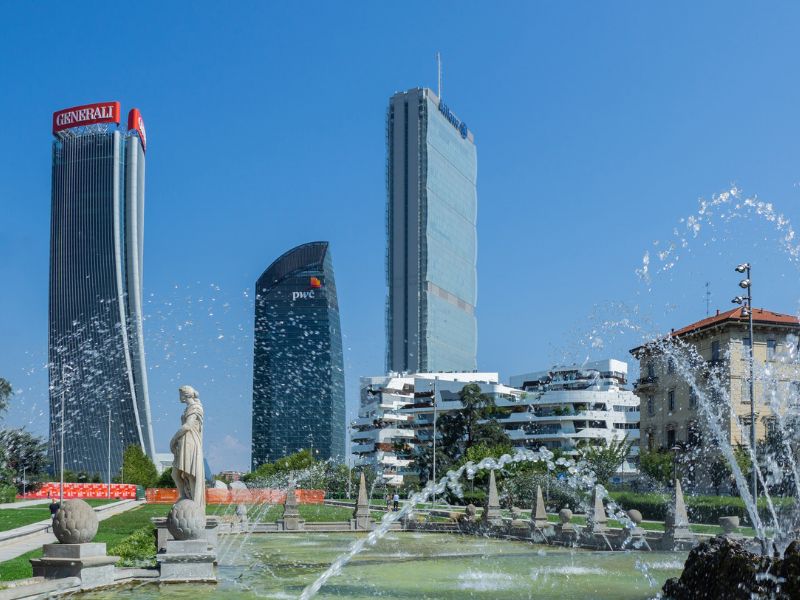
Pirelli Tower

Bekannte Wolkenkratzer Türme in Mailand
The Pirelli Tower (Grattacielo Pirelli), a landmark of modern architecture. Designed by Gio Ponti and completed in 1960, it was the tallest building in Europe when it opened. Standing 127 meters tall with 31 floors, it impresses with its slender, elegant form. Originally the headquarters of Pirelli, it now houses the offices of the Lombardy Regional Government. A symbol of Milan’s economic boom in the 1960s.

38

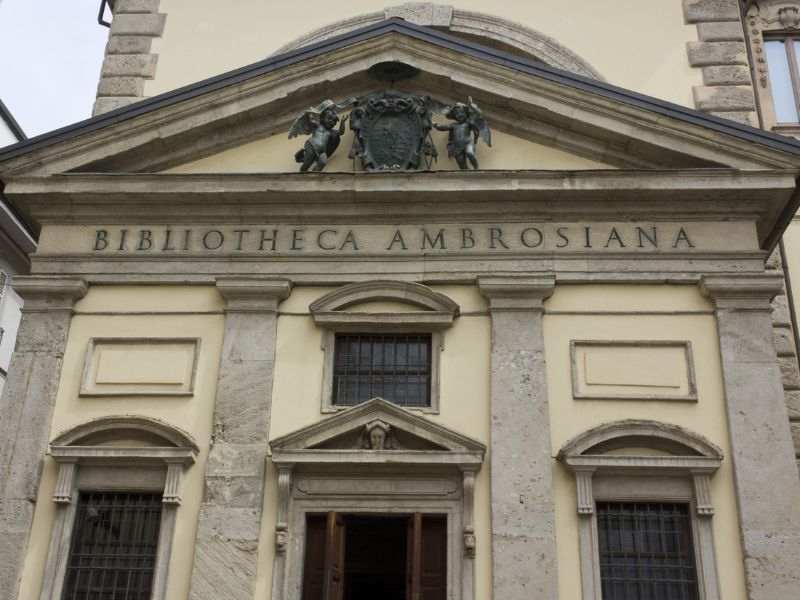
Biblioteca Ambrosiana

Biblioteca Ambrosiana
The Biblioteca Ambrosiana is one of Italy’s oldest and most important libraries, founded in 1609. It houses over 1 million books, 30,000 manuscripts, and 12,000 drawings. The centerpiece is the Codex Atlanticus—the largest collection of Leonardo’s drawings and writings. The same building houses the Pinacoteca Ambrosiana, featuring works by Botticelli, Titian, and Caravaggio, including Leonardo’s “Boy with a Lute.”

39

District Isola

Blick auf Häuser im Mailänder Isola Viertel
Milan’s up-and-coming creative enclave, which has undergone a remarkable transformation. Once an isolated working-class neighborhood (hence the name “Island”), it is now a hotspot for art, design, and gastronomy. The colorful street art on the building walls is a defining feature. Everywhere you look, you’ll find vintage shops, galleries, and artisanal stores. In the evenings, the area comes alive with activity in its numerous bars and restaurants.

40

Mercato Metropolitano

Mercato Metropolitano​
An innovative concept that brings together food, sustainability, and community. This large food market is located in a former railway workshop and spans over 15,000 square meters. It features numerous food stalls offering local and international specialties, arts and crafts, live music, and cooking classes. The market places a strong emphasis on organic products and sustainability. More than just food—it’s a social gathering place.
Redakteur Christoph

Milan Editor: Christoph Erkens

Buongiorno and Ciao on Milan-Tourist! My name is Christoph, and I love traveling to Milan. On this travel blog, we share tips and inspiration for a vacation in Milan. If you have any questions about tours or attractions, feel free to leave a comment here.